
Why Are My Eyes So Dry? Common Causes of Dry Eye in Pocatello and When to Get Treatment

Dry, irritated eyes can make everyday tasks uncomfortable. If your eyes burn, sting, water, feel gritty, or become blurry throughout the day, you may be dealing with dry eye. For many patients in Pocatello, dry eye symptoms can become more noticeable with wind, seasonal allergies, screen use, indoor heating, air conditioning, and Idaho’s dry climate.
At Summit Eyecare in Pocatello, ID, dry eye care starts with understanding what is causing your symptoms. Dry eye is not always as simple as not making enough tears. In many cases, the quality of the tear film is the problem, which means the eyes may feel dry even when they are watering.
What Is Dry Eye?
Dry eye happens when your eyes do not produce enough tears or when your tears do not work properly. A healthy tear film has layers that keep the eyes lubricated, smooth, and comfortable. When the tear film becomes unstable, the surface of the eye can become irritated.
This can lead to burning, redness, light sensitivity, blurry vision, and a sandy feeling. Some patients in Pocatello also notice that symptoms get worse while reading, driving, using screens, or spending time outside.
Why Pocatello Patients Experience Dry Eye
Dry eye can develop for many reasons, and symptoms often have more than one cause. In Pocatello, environmental factors can add to the problem. Wind, smoke, dust, allergens, and dry air can all affect the tear film and make irritation worse.
Screen time is another common trigger. When you focus on a computer, phone, or tablet, you tend to blink less often. Less blinking means tears are not spread across the eyes as evenly, which can lead to dryness and eye strain.
Common Causes Of Dry Eye
Dry eye symptoms can be linked to lifestyle, health, medications, or changes in the eyelids and tear glands. Common causes include:
- Meibomian gland dysfunction, which affects the oil layer of the tears
- Aging and hormonal changes
- Allergies or inflammation
- Long hours on digital screens
- Contact lens wear
- Certain medications
- Autoimmune conditions
- Wind, smoke, dust, or dry indoor air
- Eyelid irritation or blepharitis
Because dry eye has different causes, professional testing is important. The right treatment depends on whether your symptoms are related to tear production, tear evaporation, inflammation, or eyelid function.
Why Watery Eyes Can Still Mean Dry Eye
Many people are surprised to learn that watery eyes can be a sign of dry eye. When the surface of the eye becomes irritated, the body may respond by producing extra reflex tears. These tears may spill over, but they often do not have the balanced oil and moisture needed for lasting comfort.
If your eyes water frequently but still feel gritty or irritated, dry eye may still be the problem. A comprehensive eye exam can help identify what is happening and whether dry eye treatment is needed.
When Over-The-Counter Drops Are Not Enough
Artificial tears may help mild dryness, but they do not always address the cause. If your symptoms return quickly, affect your contact lens wear, blur your vision, or interfere with daily activities, it is time to schedule an eye exam.
Using the wrong drops can also make symptoms worse. Some redness-relief drops are not meant for long-term use and may cause rebound irritation. Your Pocatello optometrist can recommend safer options based on your specific type of dry eye.
Treatment Options For Dry Eye
Dry eye treatment is personalized. Your optometrist may recommend lubricating drops, prescription eye drops, eyelid hygiene, warm compresses, contact lens changes, environmental adjustments, or in-office dry eye treatments. The goal is to improve the tear film, reduce irritation, and protect the surface of the eye.
Summit Eyecare provides eye care services for patients in Pocatello and surrounding Southeastern Idaho communities, including dry eye evaluation and treatment. With the right diagnosis, dry eye can often be managed more effectively than with trial-and-error drops alone.
When To Get Professional Treatment
You should schedule a dry eye evaluation if your symptoms happen often, keep returning, or are getting worse. It is also important to seek care if you have eye pain, significant redness, light sensitivity, discharge, sudden vision changes, or discomfort while wearing contact lenses.
Dry eye can affect comfort, clarity, and long-term eye health. For patients in Pocatello, professional care can help determine the cause of dryness and create a treatment plan that fits your eyes, lifestyle, and daily routine.
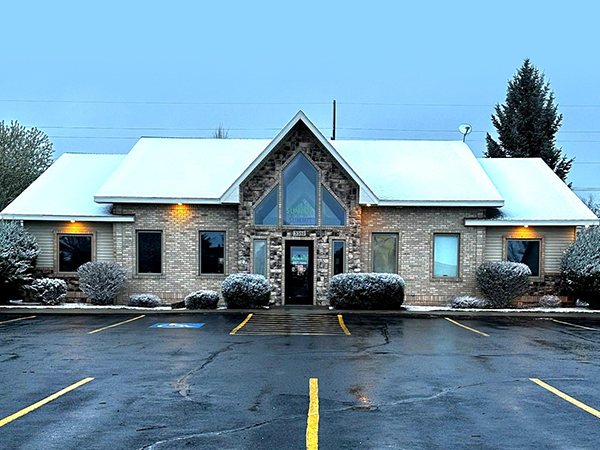
Schedule your dry eye evaluation with Summit Eyecare, located at 353 N 4th Ave Suite 110, Pocatello, ID 83201. Call (208) 637-0841 to book your appointment.