
What Is Optomap Retinal Imaging and Do You Really Need It During Your Eye Exam in Idaho?

When you schedule an eye exam, you may be offered Optomap retinal imaging as part of your visit. If you have never had this scan before, it is natural to wonder what it does, why it matters, and whether it is actually worth adding to your routine eye care.
Optomap retinal imaging is a fast, non-invasive technology that captures a wide view of the retina, which is the light-sensitive tissue at the back of the eye. This image gives your eye doctor a detailed look at areas that are not always easy to see during a standard exam.
What Does Optomap Retinal Imaging Show?
The retina can reveal important signs of eye health and overall wellness. With Optomap, your optometrist can view a broader area of the retina in a single image. This can help detect subtle changes that may need monitoring or treatment.
During an eye exam, retinal imaging may help your doctor look for signs of conditions such as diabetic retinopathy, macular degeneration, retinal holes, retinal detachment, and other concerns that can affect long-term vision. It can also create a baseline image that can be compared at future visits.
Is Optomap A Replacement For An Eye Exam?
Optomap retinal imaging is not a replacement for a comprehensive eye exam. Instead, it is a helpful tool that supports a more complete evaluation. Your eye doctor will still check your vision, prescription, eye pressure, focusing ability, eye teaming, and overall eye health.
Think of Optomap as an added layer of information. It helps your doctor see more of the retina and track changes over time, which can be especially valuable for patients with risk factors or a family history of eye disease.
Who Benefits From Optomap During An Eye Exam?
Many patients in Idaho can benefit from Optomap retinal imaging, even if they are not currently having vision problems. Eye disease can develop quietly, and some conditions do not cause noticeable symptoms in the early stages.
Optomap may be especially helpful for patients who:
- Have diabetes, high blood pressure, or a family history of eye disease
- Notice flashes, floaters, blurry vision, or changes in peripheral vision
- Want a more detailed record of their retinal health over time
- Have been told they need closer monitoring of the retina
- Prefer a quick, painless imaging option during their exam
What Should You Expect During The Scan?
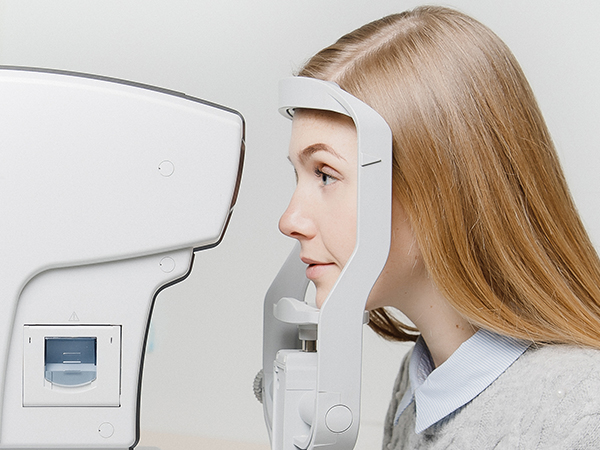
Optomap imaging is simple and typically only takes a few seconds. You sit in front of the imaging device, look into it, and a quick flash captures the image. The process is painless, non-invasive, and does not require touching the eye.
In some cases, dilation may still be recommended depending on your eye health, symptoms, or what your doctor needs to evaluate. Your optometrist will explain what is best for your specific visit.
Do You Really Need Optomap?
Whether you need Optomap depends on your eye health, age, symptoms, medical history, and risk factors. For many patients, it provides valuable information that helps support early detection and ongoing prevention. For others, it offers peace of mind by giving the doctor a wider view of the retina during a routine eye exam in Idaho. If your eye doctor recommends Optomap retinal imaging, it is usually because they want a clearer picture of your eye health and a better way to monitor changes over time.
See more of your eye health at your next visit and schedule your Optomap retinal imaging and comprehensive eye exam with Summit Eyecare in Southeastern Idaho by calling one of our locations in Idaho Falls, Pocatello, Rexburg, or St. Anthony.