
What Causes Chronic Dry Eye?
Chronic Dry Eye Is More Than Occasional Irritation
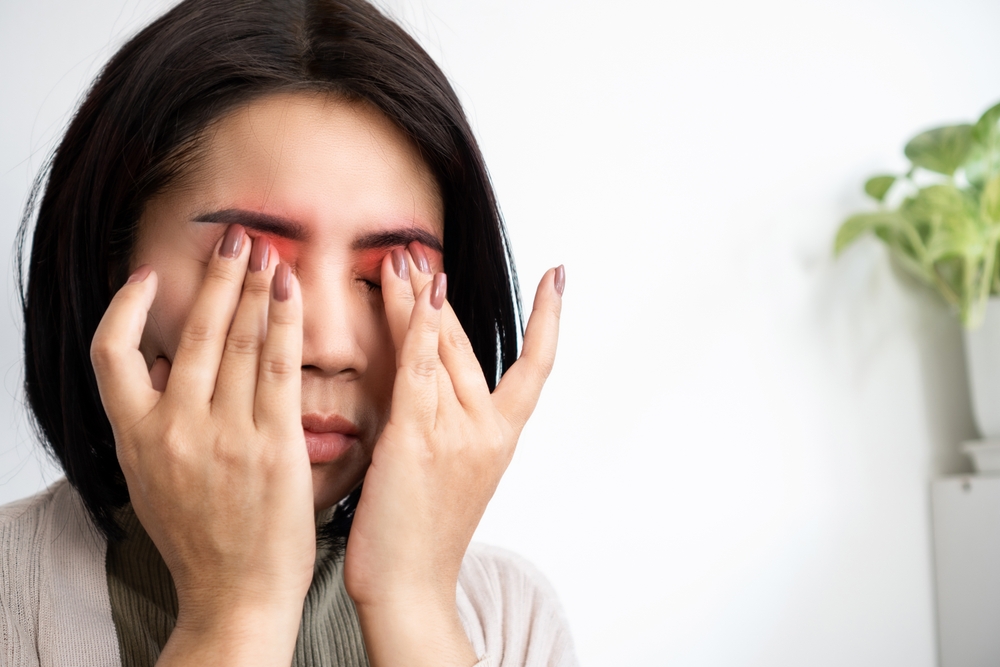
Almost everyone experiences dry, tired, or irritated eyes from time to time. Chronic dry eye is different. It happens when your eyes do not produce enough tears, or when the tears you do produce are not stable enough to keep the surface of your eyes comfortable. At Summit Eyecare, we often see patients who have dealt with burning, watering, redness, or fluctuating vision for longer than they realized.
Tear Film Problems Can Trigger Ongoing Dryness
Your tears are made of several layers that work together to protect and hydrate the eye. If one part of the tear film is not working well, your tears may evaporate too quickly or fail to spread evenly across the eye. This can leave the surface exposed, leading to irritation, light sensitivity, and that gritty feeling many people describe as having sand in their eyes.
Screen Time And Environment Can Make Symptoms Worse
Dry eye symptoms are often aggravated by daily habits and surroundings. Long hours on a computer or phone can reduce blinking, which makes tears evaporate faster. Wind, smoke, dry air, fans, and indoor heating can also contribute to chronic dry eye. In Southeastern Idaho, seasonal changes and dry conditions may make symptoms more noticeable for some patients.
Meibomian Gland Dysfunction Is A Common Cause
One of the most common causes of chronic dry eye is meibomian gland dysfunction, or MGD. These glands in the eyelids release oils that help keep tears from evaporating too quickly. When the glands become blocked or do not work properly, the eyes may feel dry even if they are still producing tears. This is why some people with dry eye also experience excessive watering - the eyes are trying to compensate, but the tears may not be high quality.
Health, Medications, And Age Can Play A Role
Chronic dry eye can also be linked to internal factors. Hormonal changes, aging, allergies, autoimmune conditions, and certain medications may affect tear production or tear quality. Common contributors can include:
- Antihistamines or allergy medications
- Some blood pressure medications
- Hormonal changes
- Contact lens wear
- Eyelid inflammation or blepharitis
- Certain autoimmune or inflammatory conditions
Because there are many possible causes, a thorough eye exam is important for understanding what is actually affecting your eyes.
Why A Dry Eye Evaluation Matters
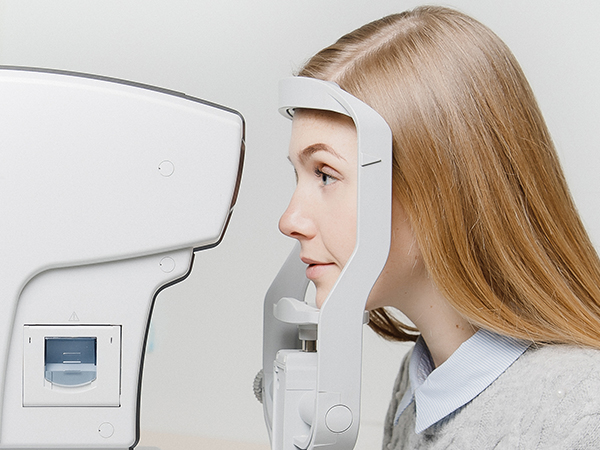
Over-the-counter drops may help temporarily, but they do not always address the reason dry eye keeps coming back. During a dry eye evaluation, we look at the health of the eye surface, eyelids, tear film, and contributing lifestyle or medical factors. Our goal is to identify the source of the problem and recommend care that fits your symptoms, eye health, and daily needs.
Finding Relief Starts With The Right Diagnosis
Chronic dry eye can affect reading, driving, screen use, contact lens comfort, and overall quality of life. If your eyes frequently burn, sting, water, or feel irritated, it may be time to look deeper than temporary dryness. With the right evaluation, we can help you better understand your symptoms and explore options for lasting relief.
For chronic dry eye care, contact Summit Eyecare in Southeastern Idaho by calling one of our locations in Idaho Falls, Pocatello, Rexburg, or St. Anthony.