
The High-Country Solar Threat: Protecting Your Eyes
Living in Idaho Falls means enjoying plenty of opportunities to spend time outside, from summer recreation to year-round adventures in Idaho's high-country environment. However, higher elevations can also increase exposure to ultraviolet radiation. According to the World Health Organization, UV levels rise as altitude increases because there is less atmosphere available to absorb ultraviolet rays.
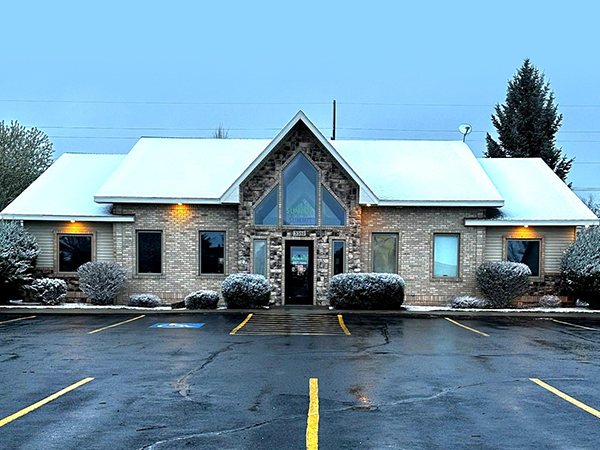
At Summit Eyecare, we help Idaho Falls patients protect their vision with comprehensive eye care, specialty eyewear, and prescription and non-prescription sunglasses designed for outdoor use.
Why High Elevation Changes UV Exposure
UV radiation is invisible, so you cannot judge your exposure simply by how bright or hot it feels outside. At higher elevations, the thinner atmosphere provides less filtering of the sun's ultraviolet radiation. Cloud cover does not eliminate the risk either, since UV rays can still reach the surface on cloudy days.
For people living an active lifestyle around Idaho Falls, repeated exposure can add up while hiking, fishing, driving, cycling, or spending a long afternoon outdoors. Water, snow, and other reflective surfaces can also increase overall UV exposure by directing additional radiation toward the eyes.
What Can UV Radiation Do to Your Eyes?
Sun protection is not only about preventing squinting or reducing uncomfortable brightness. Excessive UV exposure can affect several parts of the eyes.
Short-term, intense exposure may contribute to photokeratitis, a painful inflammation sometimes compared to sunburn of the eye. Over time, UV exposure is also associated with eye conditions including cataracts and changes involving tissues around the eye.
Because UV-related effects can accumulate, protecting your eyes should be a consistent habit rather than something reserved for especially bright summer days.
What Should You Look for in Sunglasses?
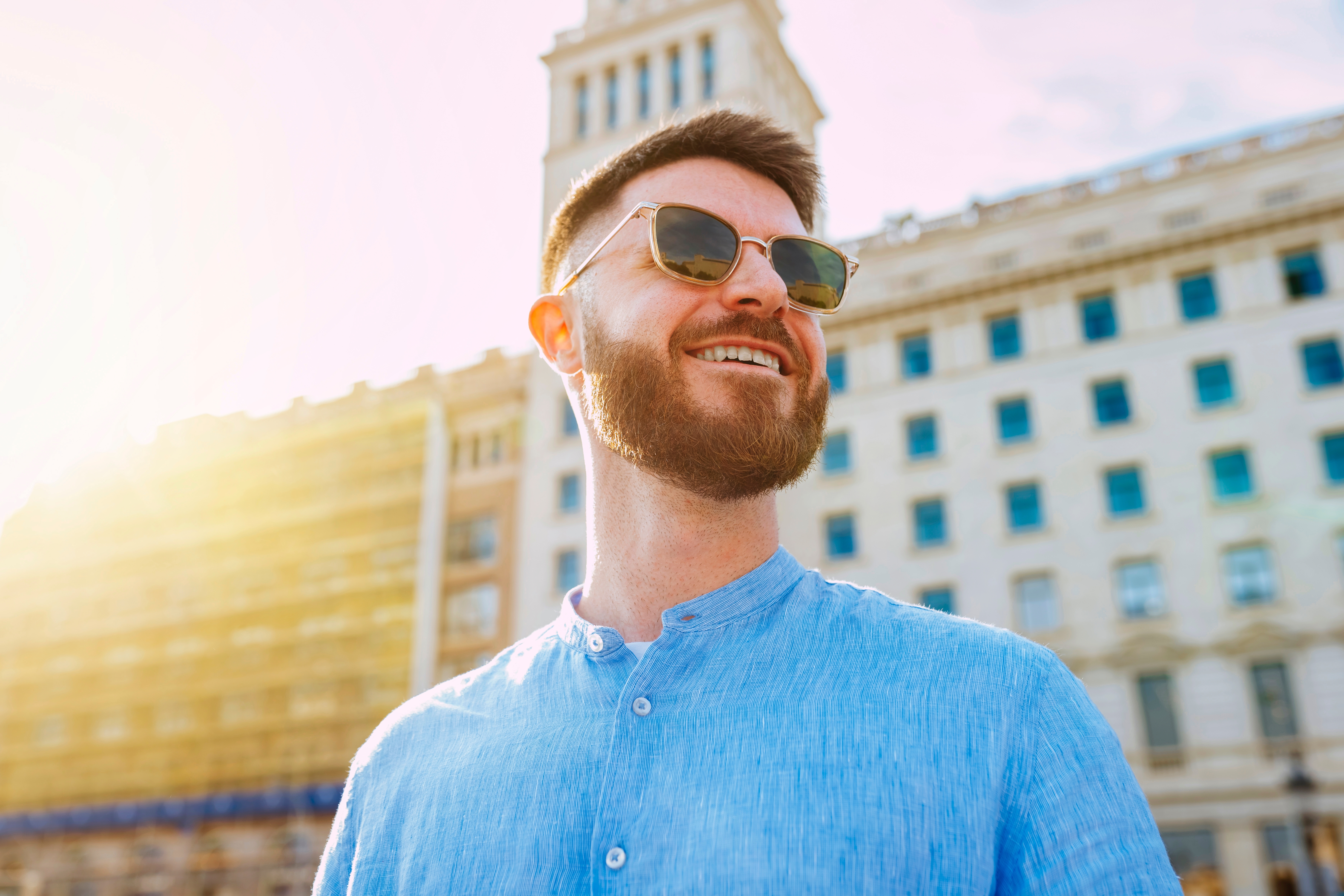
Not every dark lens provides the same level of UV protection. The National Eye Institute recommends sunglasses that block 99 to 100 percent of both UVA and UVB radiation or carry a UV400 rating.
When choosing sunglasses for Idaho Falls outdoor activities, consider:
- 99 to 100 percent UVA and UVB protection or a UV400 rating
- Frames that fit securely and provide good coverage around the eyes
- Polarized lenses for reducing glare from water, snow, and reflective surfaces
- Prescription sunglasses if you need clear distance vision outdoors
- Wraparound designs for activities involving extended exposure
- Durable lens and frame materials suited to your lifestyle
Darkness or price alone does not determine whether a sunglass lens provides adequate UV protection. Checking the UV rating is more important.
Prescription Sunglasses Can Combine Protection and Clear Vision
If you normally wear prescription glasses, you should not have to choose between clear sight and sun protection. Summit Eyecare offers prescription and non-prescription sunglass lenses, along with specialty eyewear for different visual needs and activities.
Prescription sunglasses can be especially useful for driving, hiking, boating, and other outdoor activities around Idaho Falls. Polarized prescription lenses may also help reduce reflected glare, which can improve visual comfort in bright outdoor conditions.
Some contact lenses provide UV-blocking features, but they do not cover the entire eye or surrounding tissues. Sunglasses are still recommended over contacts for more complete protection.
Make UV Protection Part of Your Everyday Eye Care
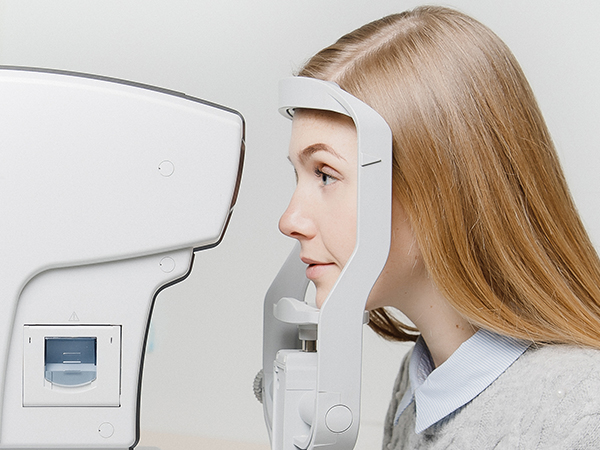
Protecting your sight also includes regular comprehensive eye exams. Routine visits allow your optometrist to evaluate your prescription and monitor the health of the eyes, while also helping you choose eyewear that fits your daily activities. Summit Eyecare provides comprehensive eye care and specialty eyewear at its Idaho Falls locations.
If you want better UV protection for Idaho's high-country sun, schedule an eye exam or explore prescription sunglasses with Summit Eyecare at 3351 Merlin Dr., Idaho Falls, ID 83404, or call (208) 522-5594 to find eyewear designed to keep your vision clear and protected outdoors.