
The Fast-Track Transformation: Why Summer Is the Perfect Window to Switch to Contact Lenses
Switching from glasses to contact lenses can provide greater freedom, a wider field of vision, and a refreshed appearance. Summer offers an ideal opportunity to begin the process. With longer days, vacations, outdoor activities, and fewer school-year demands, many patients have more flexibility to complete a contact lens exam and become comfortable with their new lenses.
Enjoy Greater Freedom During Summer Activities
Glasses can become inconvenient during warm-weather activities. Frames may slide when you sweat, fog when temperatures change, or feel uncomfortable beneath helmets and protective eyewear. Contact lenses remain directly on the eyes, providing clear vision without frames interfering with your movement.
For people who enjoy hiking, biking, running, or recreational sports, contacts can provide a more natural viewing experience. They also make it easier to wear nonprescription sunglasses for UV protection. Contact lenses should still be kept away from water, so remove them before swimming, showering, or using a hot tub.
Give Yourself Time to Adjust
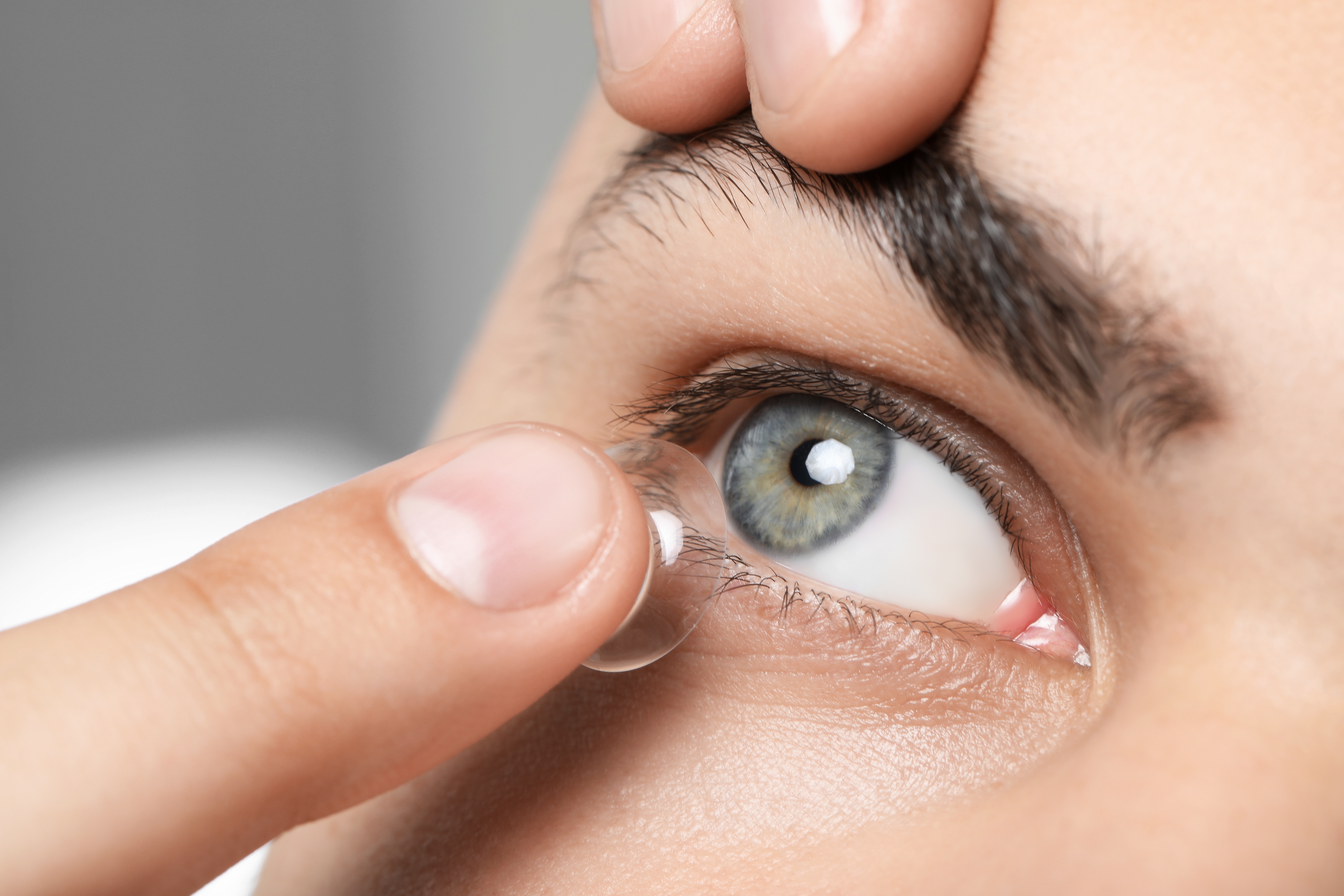
New contact lens wearers often need time to practice inserting, removing, and caring for their lenses. Starting during the summer can make this learning process feel less rushed. Students can build confidence before returning to school, while adults can become comfortable before a vacation, event, or busy fall schedule.
A professional contact lens fitting helps ensure the lenses sit properly on the eyes and provide stable, comfortable vision. Your eye doctor will also review safe handling, replacement schedules, and cleaning instructions based on the type of lenses prescribed.
Explore Contact Lenses Designed for Your Needs
Modern contact lenses are available for many different prescriptions, lifestyles, and eye conditions. Depending on your eye health and vision needs, your options may include:
- Daily disposable contact lenses for convenient, low-maintenance wear
- Toric contact lenses for astigmatism
- Multifocal contact lenses for near and distance vision
- Specialty contact lenses for irregular corneas or hard-to-fit eyes
- Moisture-focused materials for patients who experience occasional dryness
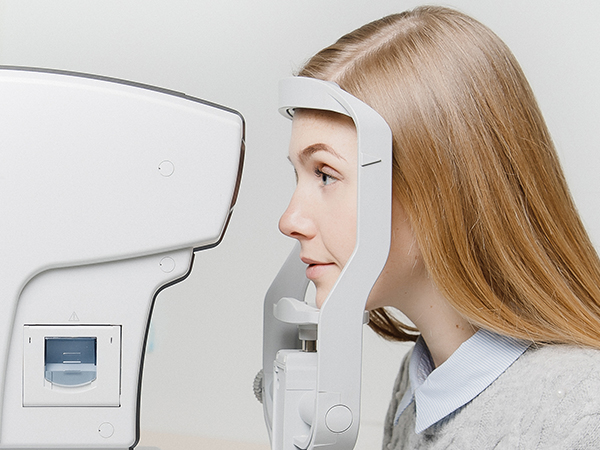
A contact lens exam includes measurements that are not part of a standard glasses prescription. Your eye doctor evaluates the shape of the cornea, tear film quality, prescription needs, and how each trial lens moves on the eye.
Simplify Travel and Seasonal Routines
Daily disposable contact lenses can be especially convenient during summer travel. Each pair is worn once and discarded, eliminating the need to pack cleaning solution or store lenses overnight. Fresh lenses can also reduce the buildup of deposits that may affect comfort.
Regardless of the lens type, pack backup glasses and extra contact lenses when traveling. Never sleep in contacts unless they are specifically prescribed for overnight wear, and replace them according to your eye doctor’s instructions.
Start With a Contact Lens Exam
Contact lenses are medical devices, so they should be professionally fitted rather than selected based only on a glasses prescription. A contact lens exam allows your eye doctor to determine whether contacts are appropriate for your eyes and recommend an option that matches your daily routine.
Schedule a contact lens exam with Summit Eyecare in Southeastern Idaho by calling one of our locations in Idaho Falls, Pocatello, Rexburg, or St. Anthony and make this summer the season you experience clear vision without frames.