
Ski Goggles, Night Glare, and UV: Protect Your Eyes on Eastern Idaho Slopes This Season
Ski Goggles, Night Glare, and UV: Protect Your Eyes on Eastern Idaho Slopes This Season
A day on Eastern Idaho slopes can challenge your eyes long before the drive home. Bright snow, changing light, and headlight glare all affect how comfortably you see. At Summit Eyecare, we help patients in Idaho Falls and our surrounding communities prepare for winter with attention to vision and eye protection.
UV Protection Matters Even on Cloudy Days
Snow reflects sunlight, and UV exposure increases at higher elevations. Cloud cover does not eliminate that exposure. Too much UV can cause photokeratitis, sometimes called snow blindness, which is a painful injury to the eye’s surface.
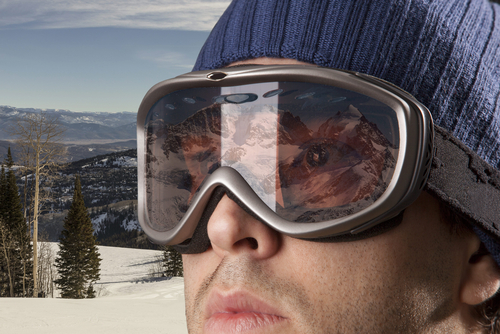
We recommend ski goggles labeled to block 100% of UVA and UVB rays. A dark tint or mirrored finish alone does not establish UV protection. Keep UV-blocking sunglasses available for time outside when your goggles are off.
Choose Goggles for the Conditions
The right ski goggles should suit your face, vision needs, and the light around you. Before heading out from Idaho Falls or Rexburg, check these features:
UV protection: Confirm the manufacturer’s UVA and UVB protection rating.
Comfortable fit: Try goggles with your helmet and, if needed, your prescription glasses.
Appropriate tint: Lower visible light transmission, or VLT, suits bright conditions; higher VLT lets in more light for cloudy conditions.
Night visibility: Choose clear lenses intended for night skiing under slope lighting.
Prescription compatibility: Over-the-glasses goggles can accommodate glasses without forcing you to ski with blurry vision.
Changing lenses as conditions change can help maintain visibility. A dark daytime lens may limit what you can see after sunset.
Polarization Is Different From UV Protection
Polarized lenses reduce reflected glare, but polarization does not automatically mean a lens blocks UV. It can also make icy patches harder to identify while skiing. We encourage patients to consider terrain visibility and lighting when choosing winter eyewear, rather than selecting goggles solely for glare reduction.
Take Night Glare Seriously
If headlights look increasingly distracting on the drive back to Pocatello or St. Anthony, schedule an eye exam. An outdated prescription, dry eye, or cataracts may contribute to difficulty seeing at night. We can evaluate your vision and eye health to help identify the cause.
Keep glasses and both sides of your windshield clean. Avoid yellow-tinted “night driving” glasses and sunglasses after dark because they reduce the light reaching your eyes. If you cannot see well enough to drive safely, stop in a safe place and arrange another ride.
Know When to Seek Eye Care
Snow blindness symptoms can appear hours after UV exposure. Eye pain, excessive tearing, light sensitivity, or blurred vision after a day outdoors deserve prompt evaluation. Stop skiing if symptoms affect your vision, and seek emergency care for sudden vision loss or severe eye pain.
Get your eyes ready for the season with Summit Eyecare in Eastern Idaho. Schedule an eye exam by calling our Idaho Falls, ID, Merlin office at (208) 522-5594 or Pancheri office at (208) 529-4333; Rexburg, ID, at (208) 356-0881; St. Anthony, ID, at (208) 624-3231; or Pocatello, ID, at (208) 637-0841.