
Optos® Retinal Scanning vs. Dilation: Which Is Best for Your Next Eye Exam?
When you schedule a comprehensive eye exam, checking your prescription is only one part of the visit. Examining the retina at the back of the eye can reveal important information about your eye health, sometimes before you notice changes in your vision.
At Summit Eyecare in Idaho Falls, we use Optos® retinal scanning as an advanced way to document and evaluate the retina. Patients often ask whether this technology replaces dilation or whether they still need both. The answer depends on your eyes, symptoms, medical history, and what your optometrist needs to evaluate.
What Is Optos® Retinal Scanning?
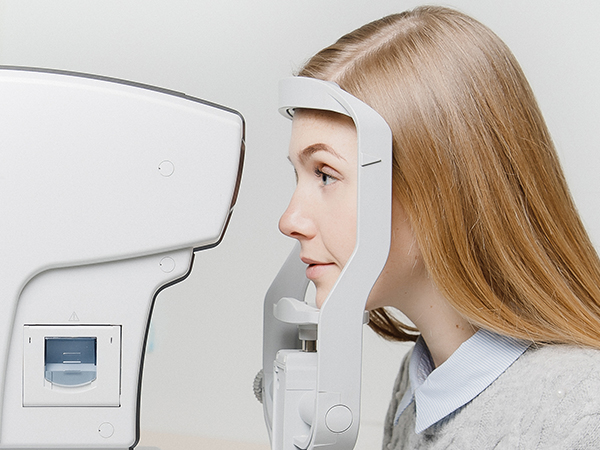
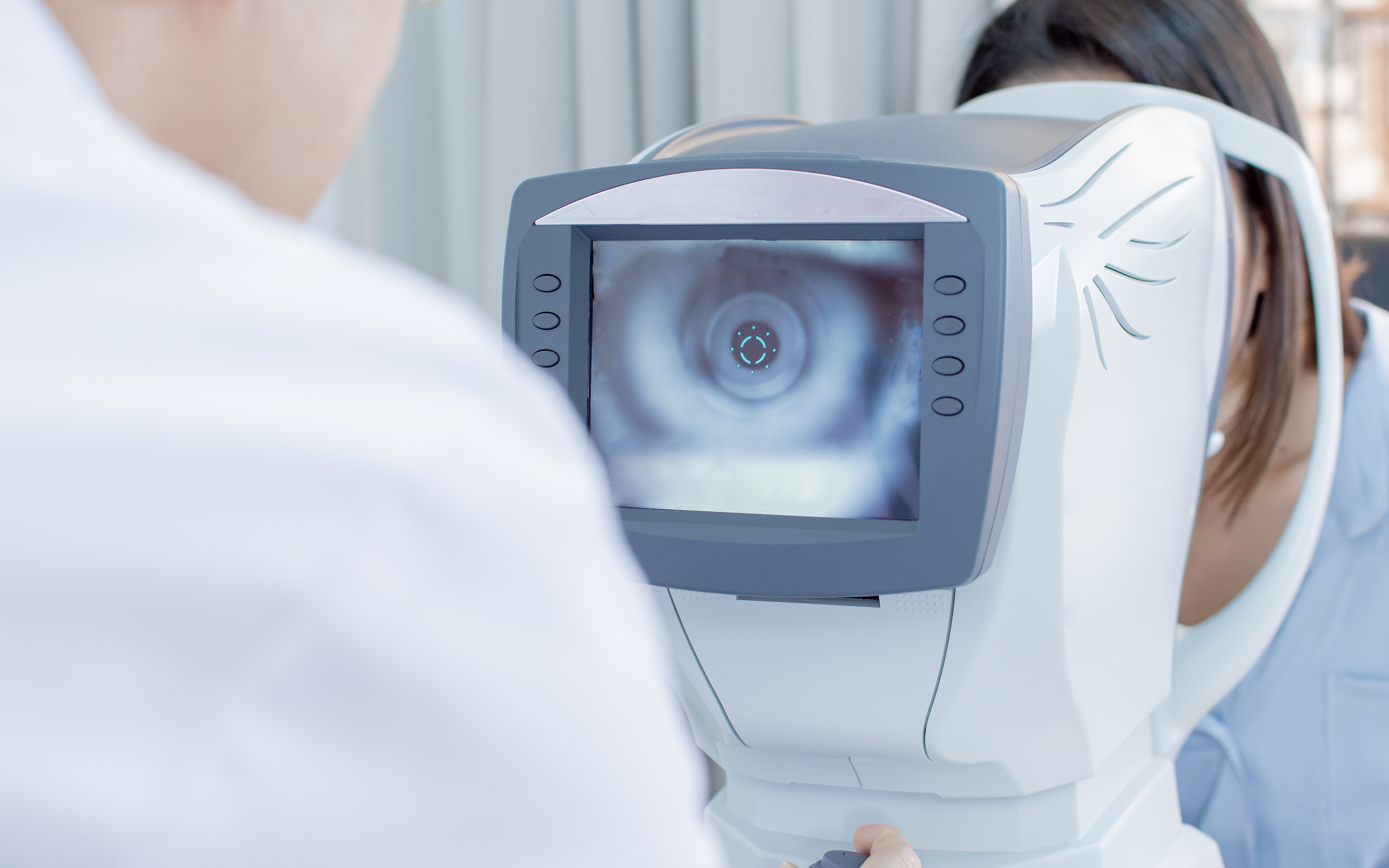
Optos technology captures an ultra-widefield digital image of the retina. The scan is quick and non-invasive, and it gives your eye doctor a broad view of structures at the back of the eye.
One of the biggest advantages is documentation. Your retinal images can be stored and compared with images from future visits, making it easier to recognize changes over time.
Retinal imaging may help us evaluate or monitor:
The optic nerve
The macula and central retina
Retinal blood vessels
Signs associated with diabetic retinopathy
Retinal holes, tears, or other abnormalities
Changes that may require closer monitoring
For many Idaho Falls patients, Optos also provides a convenient way to see their own retinal images and better understand what we are evaluating.
What Happens During a Dilated Eye Exam?
Dilation uses eye drops to temporarily enlarge the pupils. Once the pupils are wider, your optometrist can directly examine internal eye structures, including areas of the peripheral retina that may require a closer look.
After dilation, near vision may be blurry for several hours and bright light can feel more intense. Bringing sunglasses can make the trip home more comfortable.
Although dilation takes more time than retinal photography, it remains an important examination technique, particularly when symptoms or findings require a detailed retinal evaluation.
Does Optos Replace Dilation?
Not always. Optos retinal scanning and dilation provide different types of information and are often complementary rather than interchangeable.
Optos creates a detailed digital image that can be reviewed and compared over time. Dilation allows your optometrist to directly examine the retina through an enlarged pupil and change viewing angles as needed.
If you are experiencing new flashes, floaters, sudden vision changes, or symptoms suggesting a retinal problem, dilation may still be recommended even if an Optos image has already been captured.
Which One Is Better for Routine Eye Exams?
There is no single answer for every patient. For a routine eye exam in Idaho Falls, Optos imaging can provide valuable documentation and a broad view of retinal health without the temporary light sensitivity and near blur associated with dilation.
However, your optometrist may recommend dilation based on your age, medical history, family history, symptoms, previous findings, or what appears on your retinal images.
Patients with diabetes, certain retinal conditions, significant new floaters, or other risk factors may need additional examination beyond retinal photography alone.
Why Retinal Imaging Matters Even When Your Vision Seems Fine
Many eye conditions can develop before they noticeably affect how clearly you see. That is why reading 20/20 on an eye chart does not automatically mean the retina and optic nerve are completely healthy.
Regular imaging also gives us a baseline. If something looks different at a future visit, we can compare current and previous images rather than relying only on memory or written descriptions.
If you are due for your next comprehensive eye exam, schedule a visit with Summit Eyecare in Idaho Falls. Visit us at 3351 Merlin Dr., Idaho Falls, ID 83404, and call (208) 522-5594, or schedule with our 1689 Pancheri Dr., Idaho Falls, ID 83402 office at (208) 529-4333. We can evaluate your eye health and determine whether Optos® retinal scanning, dilation, or both are appropriate for your next exam.