
How Diabetes Can Lead to Retinopathy, Glaucoma, and Cataracts
Diabetes can have a serious impact on your eye health, often in ways that are easy to miss at first. It can increase the risk of diabetic retinopathy, glaucoma, and cataracts by damaging blood vessels, affecting eye pressure, and speeding up changes in the lens. For patients in Pocatello, ID, understanding how diabetes affects vision is an important step toward protecting long-term eye health through regular, proactive care.
How Diabetic Retinopathy Develops
Diabetic retinopathy happens when high blood sugar damages the tiny blood vessels in the retina. These vessels can leak, swell, or close off, reducing the retina’s ability to function properly. In more advanced cases, abnormal new blood vessels may grow, which can lead to bleeding, scar tissue, or retinal damage. Because early diabetic retinopathy may not cause obvious symptoms, many people in Pocatello do not realize changes are happening until vision is already affected.
Why Diabetes Raises Glaucoma Risk
Diabetes is also linked to a higher risk of glaucoma, a group of eye diseases that can damage the optic nerve. This damage is often related to pressure inside the eye, but glaucoma can progress quietly before a patient notices any change in sight. When glaucoma is not caught early, it can cause permanent vision loss. Regular monitoring is important for diabetic patients in Pocatello who want to stay ahead of preventable complications.
The Connection Between Diabetes And Cataracts
Cataracts cause the natural lens of the eye to become cloudy, leading to blurred vision, glare, and trouble seeing clearly. While cataracts can happen with age, diabetes may cause them to develop sooner or progress faster. For many people in Pocatello, this can make everyday tasks like driving, reading, and working on screens more difficult. If vision seems duller or more sensitive to light, diabetes could be playing a role.
Signs You Should Not Ignore
If you have diabetes, watch for changes that may point to an eye problem, including:
- Blurry or fluctuating vision
- Dark spots or floaters
- Trouble seeing at night
- Increased glare or light sensitivity
- Loss of side vision
- Sudden changes in visual clarity
These symptoms do not always mean you have retinopathy, glaucoma, or cataracts, but they do mean it is time to schedule an eye exam in Pocatello as soon as possible.
The Importance of Routine Diabetic Eye Exams
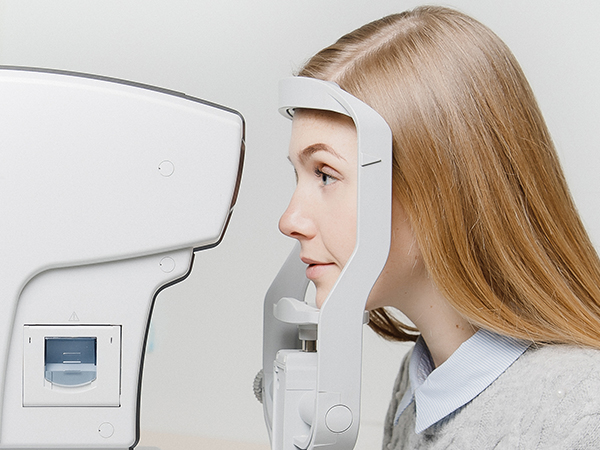

Routine diabetic eye exams are important because diabetes can affect the eyes long before you notice changes in your vision. These exams help us look for early signs of diabetic retinopathy, monitor changes that may increase the risk of glaucoma, and identify cataracts before they begin to interfere more seriously with daily life.
At Summit Eyecare, we use advanced diagnostic technology like Optomap retinal imaging to capture detailed views of the retina, which helps us evaluate eye health more closely and track changes over time. For patients with diabetes, regular exams are one of the best ways to catch problems early and protect long-term vision.
Stay Ahead of Diabetic-related Eye Conditions at Summit Eyecare
At our Pocatello office, we provide careful diabetic eye evaluations with advanced technology and a patient-focused approach. Using tools like Optomap retinal imaging, we can monitor retinal health in greater detail and look for early signs of diabetes-related eye disease. We are committed to helping patients in Pocatello stay informed, stay proactive, and protect their long-term vision.
Contact Summit Eyecare to schedule your diabetic eye exam and take a proactive step toward protecting your long-term vision. Visit our office in Pocatello, ID, or call (208) 637-0841 to book an appointment today.